Loading...
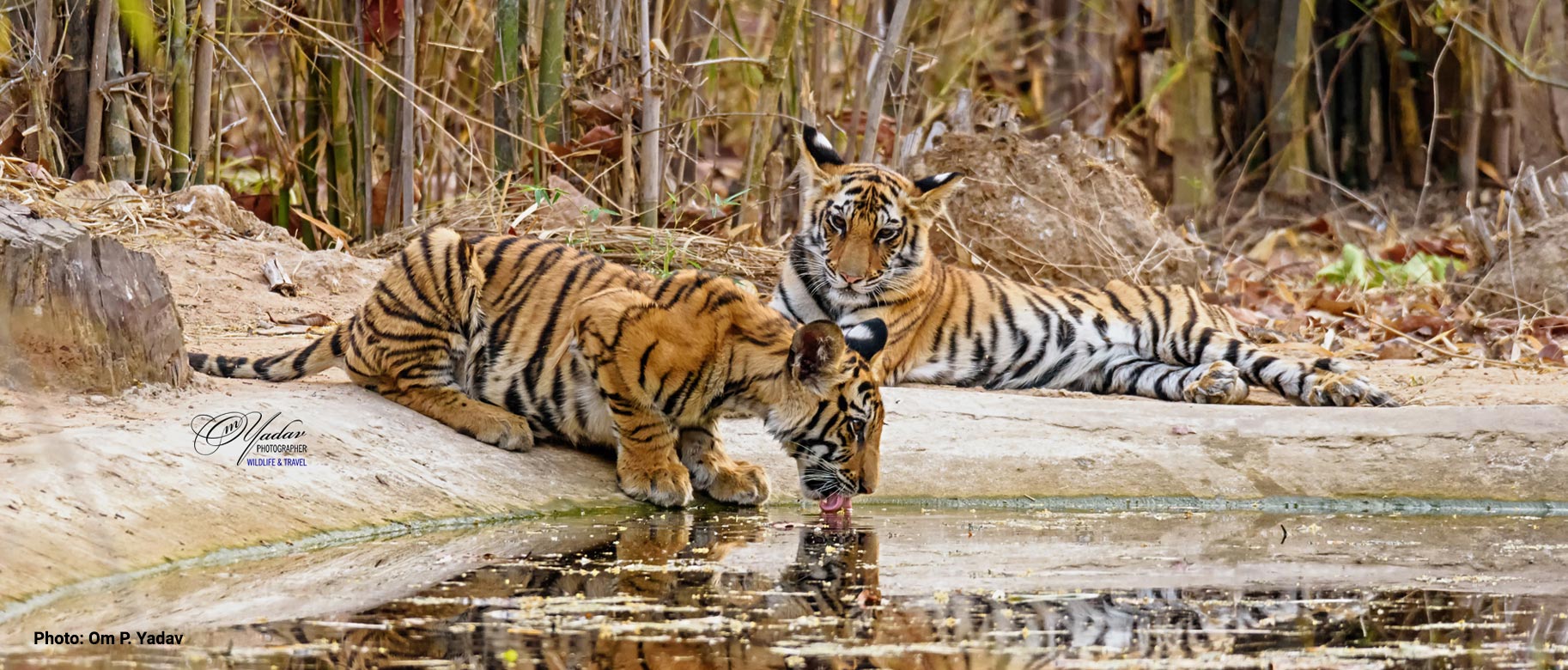
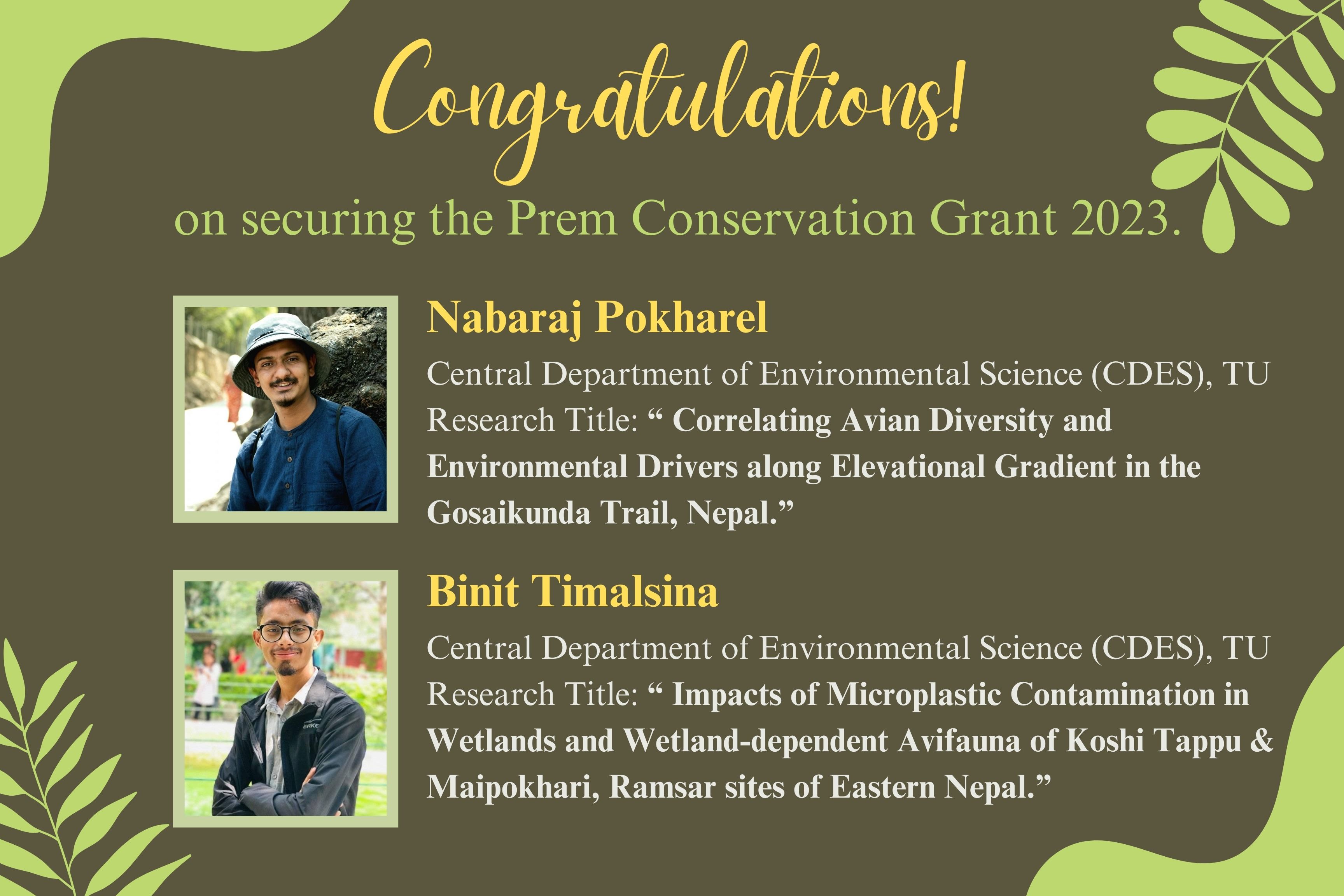
Wildlife conservation is one of the most important component of the organization, as they ensure life on earth.
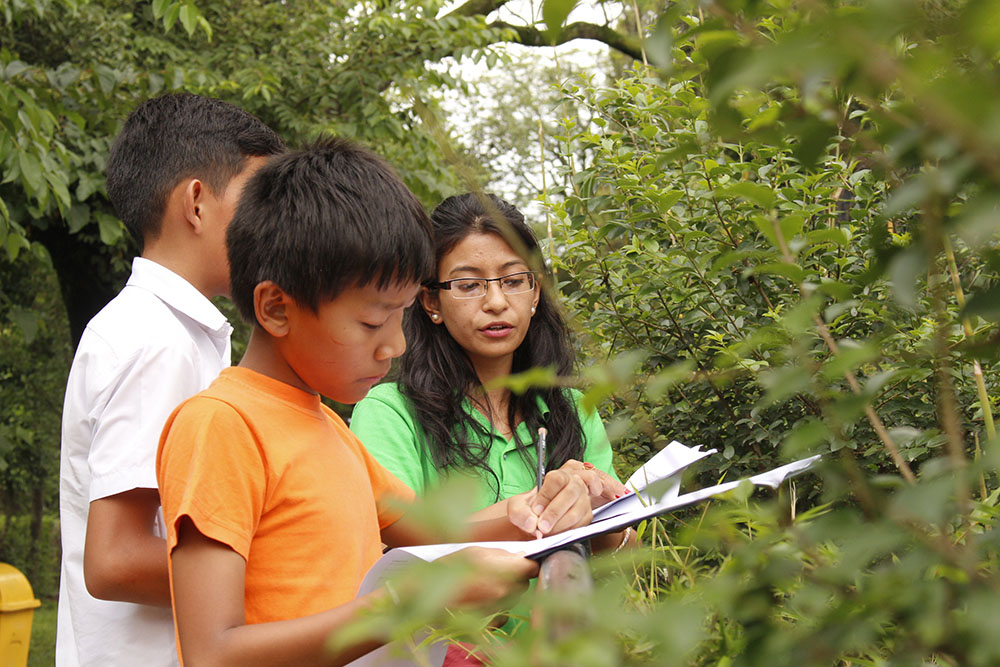
Education is an essential component of environment conservation. Nepal Prakriti Pathshala /NPP (Nepal Nature School) is an environmental education program of Wildlife Conservation Nepal (WCN) aimed to contribute to higher...
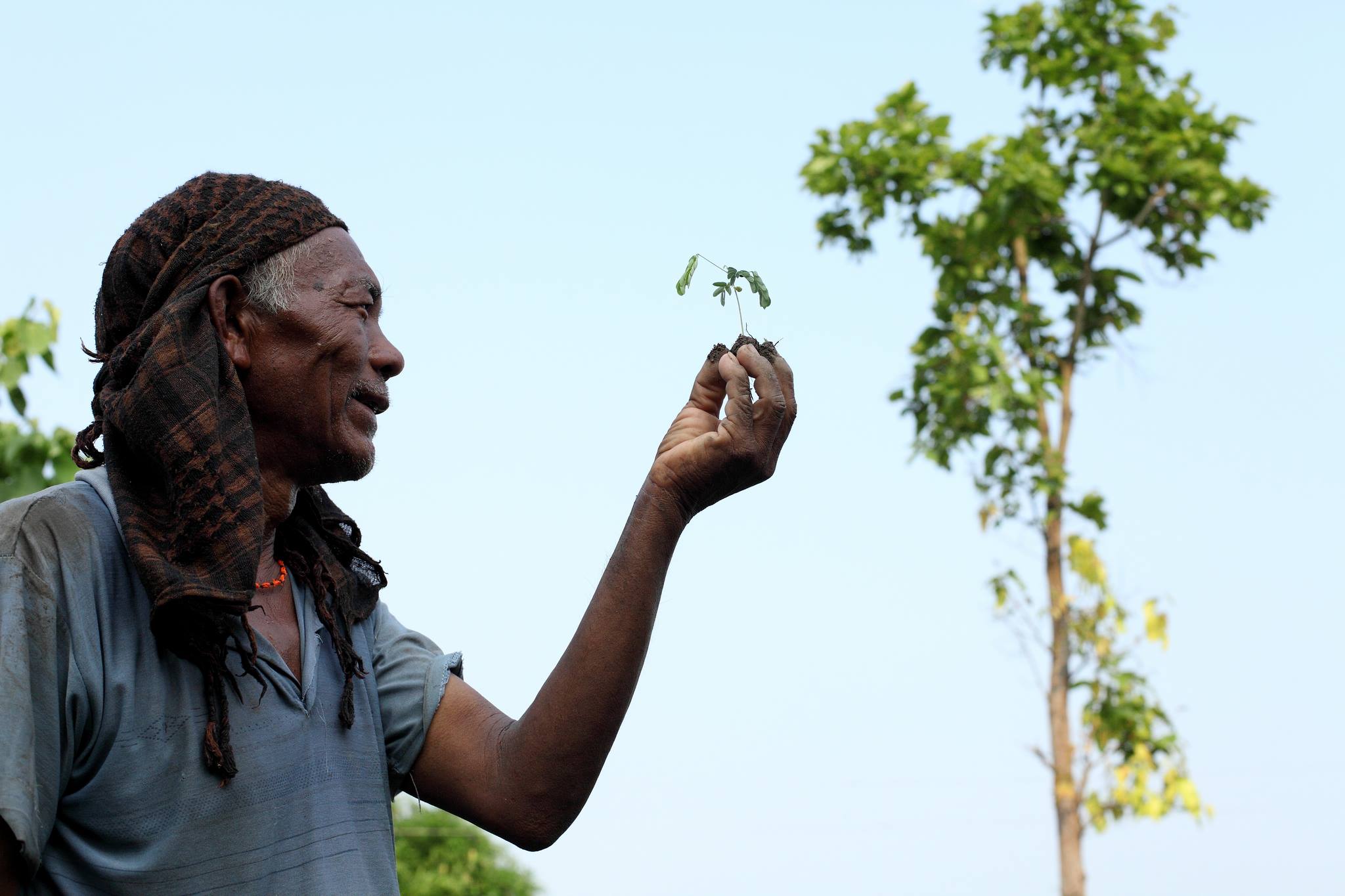
WCN focuses on the development of the local communities’ natural resource management and entrepreneurial skills so that communities become more climate resilient while at the same time socio-economic status is...
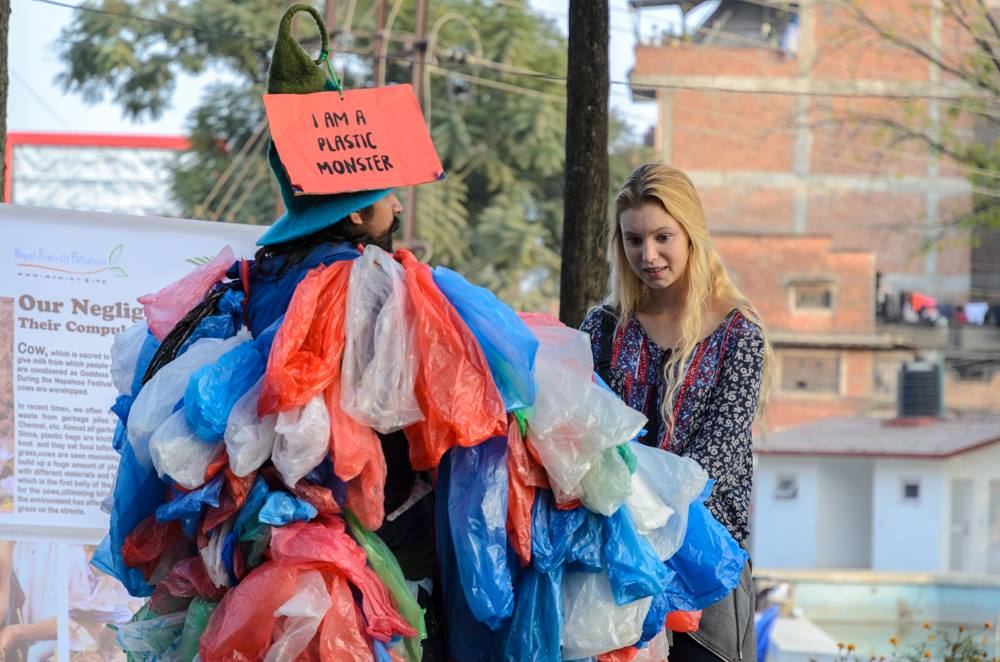
Public awareness plays a significant role in engaging the common man in mainstream conservation and to secure healthy environment for all.
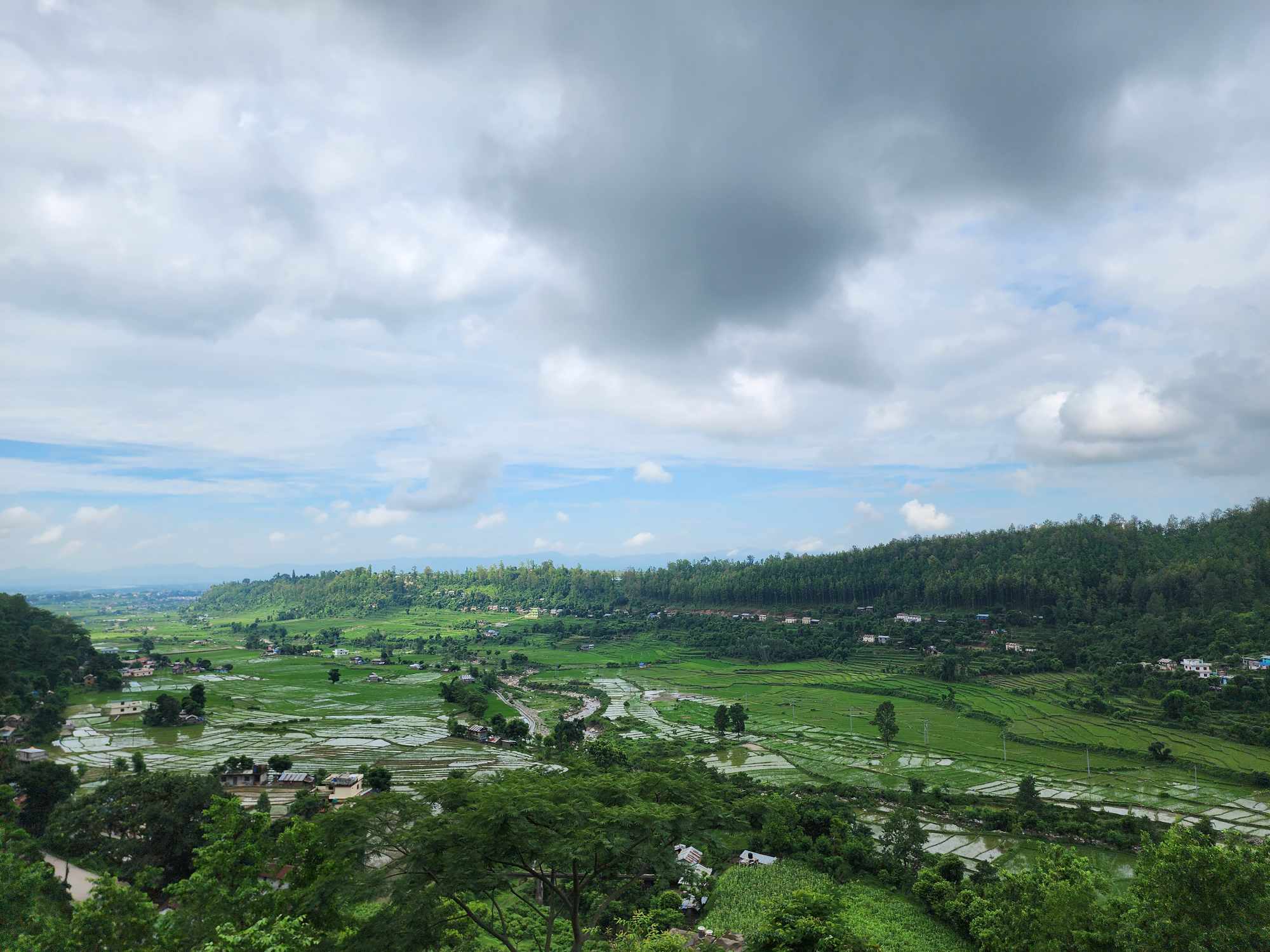
A series of meetings for MEP development are being held in regards to the ongoing project “Clean energy initiatives for households in the Dang district”, in Tulsipur municipality. The project is working towards the dissemination of clean energy technologies at a municipal level, contributing to sustainable development goals at a both national and local level.
Read MoreWCN signs MOU with KMC
Kathmandu Metropolitan City (KMC) joins hands with Wildlife Conservation Nepal (WCN) for protecting the school environment of Kathmandu valley on November 23, 2022, in the presence of education advisors. KMC and WCN are in relation to conducting the Environmental Protection Program in schools under the Kathmandu Metropolitan City.

In October of 2022, WCN was selected by the North American Association for Environmental Education (NAAEE) as a winner of the first ever Pratt and Whitney Global E-STEM Awards. Grants totalling $250,000 were awarded by the chief transformation and strategy officer of Pratt and Whitney, Satheeshkumar Kumarasingam to 13 non-profit organizations in 11 countries. Each organization showed a tremendous dedication to expanding programs for youths in environmental, science, technology, engineering, and math (E-STEM) education.
Read MoreToday, in Nepal, local curriculum is a perfect example of decentralizing education policy in new context of federal system and it has provided opportunity to connect students, teachers, local expert and policy makers to create effective teaching learning environment. The local curriculum will help students engage with the local knowledge and values. WCN since 2008 has been involved in the promotion of local curriculum development and its implementation. The first local curriculum in collaboration with WCN was launched in Rasuwa and Chitwan.
Read More
Jun 5, 2020
Swekriti Rai
Wildlife Conservation Nepal, Nepal Prakriti Pathsala (WCN/ NPP’s) organized an Eco-day Camp at Dhapasi, Kathmandu...
Apr 3, 2020
Sanjeevani Yonzon Shrestha
Social Distancing during the horrific COVID19 pandemic has given us a lot of time to...
Apr 3, 2020
Sanjeevani Yonzon Shrestha
The Corona Virus or COVID 19 has taken over our lives and as the whole...
Apr 3, 2020
Chetna Gurung
There is no denying that the rapid development of information and computer technology (ICT) has...
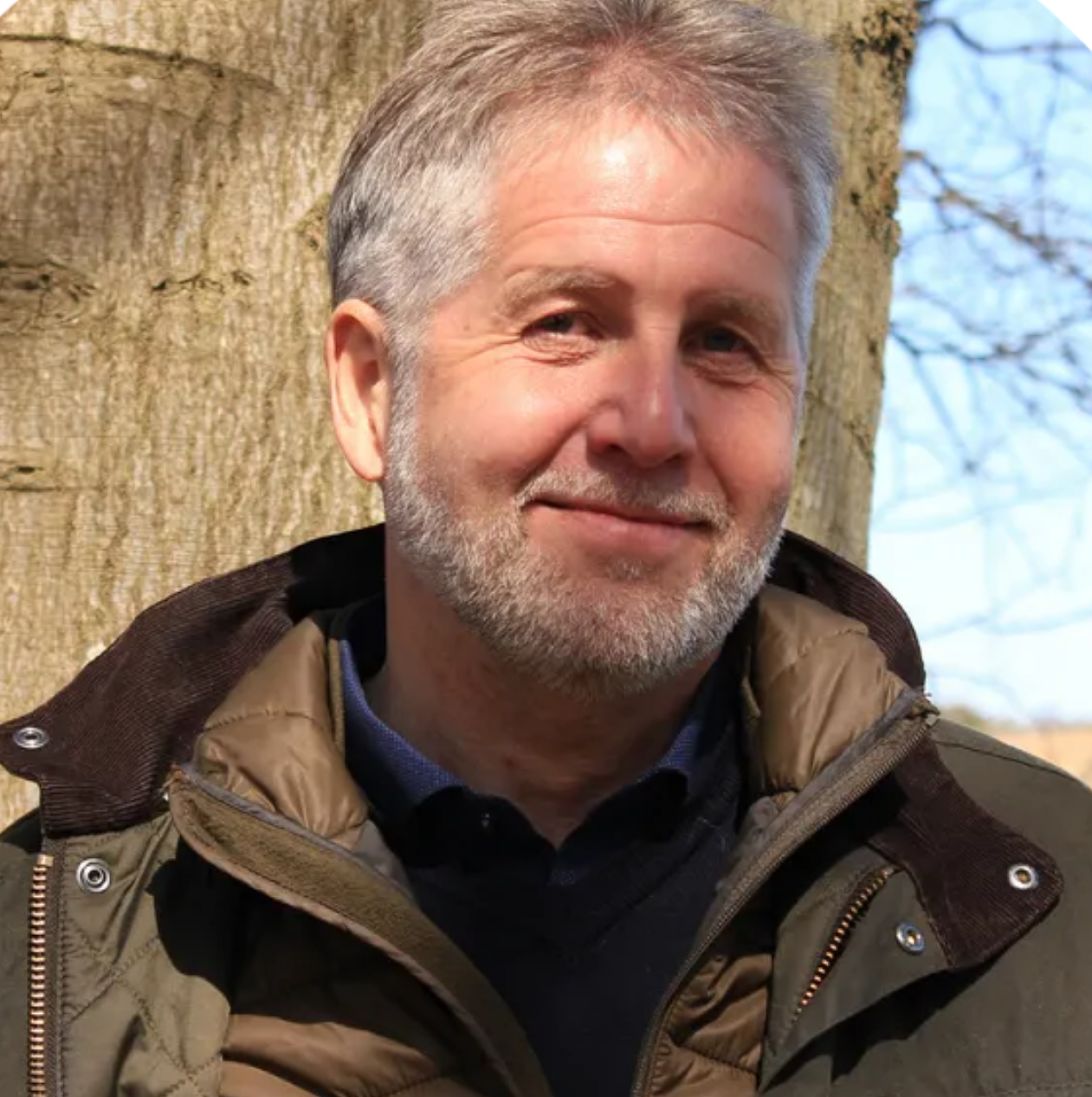
WCN has been DFE's partner in several projects in Nepal in areas like Environmental Education, Community Forest Management, Disaster Risk Management, and Climate Change for over 12 years now. We have very high regard for WCN's professionalism and dedication to the cause of sustainable natural resource management and their core value area of conservation. WCN has clearly shown its leadership by creating a massive and positive social impact in its working areas and thus becoming a leading voice representing the civil society in Nepal. I wish them only success in all their present and future endeavors.
Director,
Danish Forestry Extension, Denmark
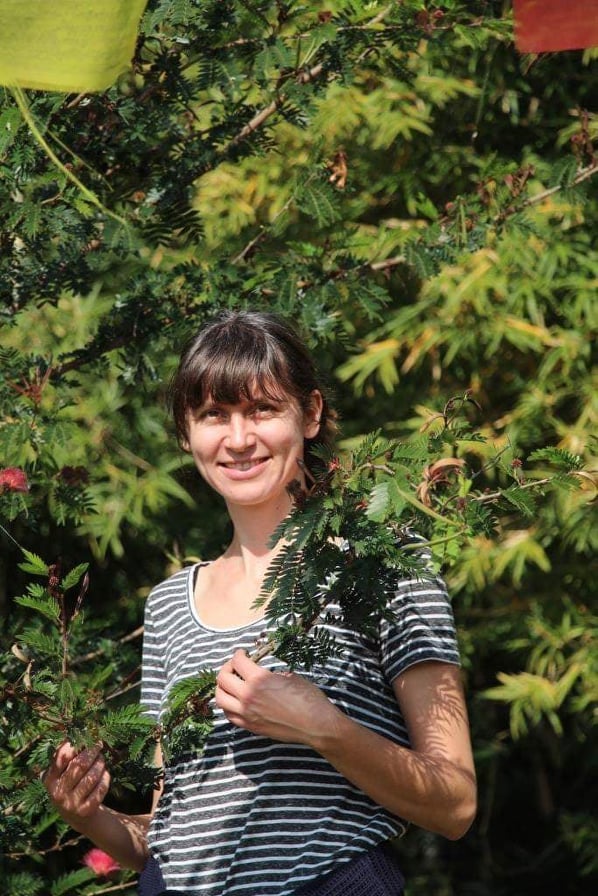
I have a close, eight year long professional history with WCN. Having worked in the development sector for 15 years, spanning over ten different countries, I can say that WCN has no comparison. Their dedication, professionalism, and ability to think and act strategically and creatively to improve the quality of environmental education in the Nepalese education sector is truly inspiring. The same goes for their work with community forestry economic development projects through climate mitigation and adaption initiatives. As we face the double crisis of biodiversity loss and climate change, the work that they are doing is more important than ever. I hope that you will get the experience to work and make positive change happen together with WCN.
Program Manager
Danish Forestry Extension, Denmark
WCN's Nepal Prakriti Pathshala is playing a lead role in implementing interactive environment education. It has supported Government's envision to launch Green School Concept in Nepal.
Director General
Center for Human Resource and Education Development, Nepal
WCN's support has helped 200 women of 7 community forests of Nawalparasi district in utilizing their free time by bringing into use the unused lands inside the forest by cultivating medicinal aromatic plants which has supported in their income. The program has enhanced their capabilities in making decisions developing their leadership skills and to voice their opinions.
Member, FECOFUN, Nepal

It all begins and ends with teachers. WCN's Nepal Prakriti Pathshala's trainings can bring out the dedication and interest amongst the teachers encouraging them to continue further.
Consultant, Danish Forestry Extension, Denmark

WCN's training on Interactive Environmental Education and Local Curriculum on Environment has provided opportunities to teachers to learn new methods of teaching that increases students participation and active engagement, which is essential in developing critical minds that can solve environmental problems in the future.
Joint Secretary, Ministry of Education, Nepal (2015)

WCN's effort to protect the nation's natural heritage by building the capacity of enforcement agencies on legal framework to reduce illegal wildlife trade is highly commendable.
Chief Attorney General, Nepal

"WCN's Nature Through Lens Exhibition" is a wonderful tool for raising awareness on nature and wildlife among viewers
2009
0
Books published
on Wildlife and Environment
0
Districts reached
with WCN's Program
0+
Teacher Trainings
Conducted
0+
Volunteers registered
with WCN for different Programs
0+
Schools reached
with NPP activities
0+
Members
in Teachers Network
0+
Multipurpose Trees
Planted
Dhapasi Height, Tokha
Tel: +977 1 437 5460, +977 1 437 5267
Email: mail@wcn.org.np
© Wildlife Conservation Nepal . Developed by Eleven Pixels.